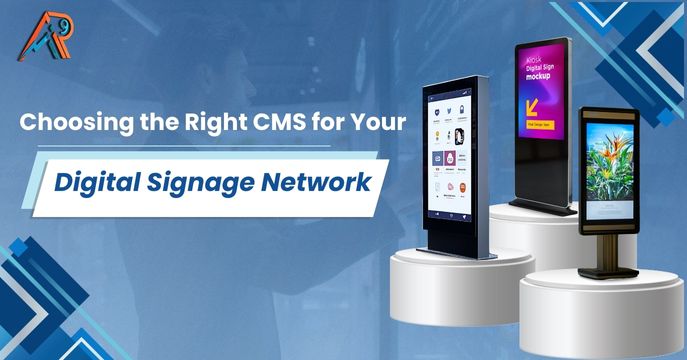
Picking the Right CMS for Your Digital Signage Network 

Picking the Right CMS for Your Digital Signage Network

Building a strong digital signage network starts with one essential decision: choosing the right system to manage your content. When every screen helps tell your story and connect with people who walk through your doors, you need something that actually works—content that’s simple to update, dependable when you need it, and looks the same whether someone’s in your lobby or across town. Picking the right content management system for digital signage isn’t just checking boxes on a tech spec sheet—it’s about giving yourself the tools to communicate clearly and confidently, day after day. 

A dependable digital signage CMS helps you maintain clarity, stay organised, and adapt quickly whenever your communication needs shift.  

For many businesses in India, finding a platform that balances ease with powerful capabilities can make the entire signage process feel far more manageable.  

Providers like Archana Enterprises continue to support organisations that want secure, future-ready digital signage setups without unnecessary complexity. 

What Is a CMS for Digital Signage? 

Your whole display setup runs on a digital signage CMS—think of it as mission control. It’s where you build stuff, upload everything, arrange it all, and watch over what’s showing across every screen. The CMS brings all your scattered displays into one clean dashboard, so you’re steering the entire ship from one spot. A solid content management system for digital signage handles whatever media you throw at it, makes organizing playlists feel effortless, and keeps every screen marching in perfect sync. Most modern platforms live in the cloud now, which means you can jump in and tweak things from your couch, your desk, wherever life takes you. This becomes incredibly valuable when you want timely updates without interrupting your day-to-day operations. 

Whether you’re managing displays in offices, retail stores, educational spaces, or public environments, the CMS helps keep everything coordinated and consistent. 

Why Choosing the Right CMS Matters 

When your signage runs on a poorly matched system, even simple tasks begin to feel complicated. But when you choose the right CMS, the difference is noticeable immediately. Content creation becomes smoother, updates take less time, and your entire network feels simpler to control. 

The platform you pick really matters—it affects whether your screens actually work when you need them and whether people notice what you’re trying to say. When screens freeze up, show yesterday’s news, or just feel off-message, you lose people’s attention fast. Good digital signage management software keeps those headaches away by giving you the stability and control you need. Here’s where it gets exciting: remote control of digital signage.  

Picture yourself updating every screen from your couch, your desk, or honestly anywhere—no driving around town, no waiting. That freedom lets you react the moment something changes, keeping all your locations looking sharp and on-brand. In fast-moving places—busy stores, packed transit hubs—this flexibility isn’t a luxury, it’s essential. And here’s the most important thing: when you go all-in on the best CMS for digital signage, you’re planning for the future. You’re deciding how people will feel about your business, how they will remember it, and whether your staff will stay on the same page.  A good CMS is more than just a login and a dashboard; it’s the quiet force that keeps everything in your life from falling apart. 

Key Features to Look for When Choosing a Digital Signage CMS 

Your digital signage platform should feel natural to use, well-balanced, and be ready to expand as you do. When you’re shopping around, focus on features that actually make life easier and keep things running smoothly—not bells and whistles that complicate everything. 

1. Straightforward Content Controls 

Managing content should not feel overwhelming. A well-designed digital signage software provides a clean interface that makes it easy for your team to upload, arrange, and review content. 

2. Flexible Scheduling Options 

Getting your message across is all about timing. A CMS with smart scheduling for digital signage content lets you nail exactly what shows up, where it appears, and when people see it—all without you constantly tweaking things by hand. 

3. Unified Oversight 

A system where you control everything from one spot means your screens actually say what you need them to, every single time. With a remote control that actually works, keeping all your locations looking sharp and on-brand suddenly feels like no big deal. 

4. Cloud Functionality 

A cloud-based CMS means your team can tweak things from literally anywhere—home, the road, a random coffee shop at midnight. It simplifies collaboration and helps you respond to unexpected updates without delay. 

5. Display Compatibility 

Your CMS should support different display screen types without limitations. A CMS you can actually trust keeps everything humming along nicely—whether your screens live inside cosy offices, battle the weather outside, or are scattered all over the place. 

6. Stability and Reliability 

Your messages need to get through, every single time. The best CMS for digital signage keeps things running no matter what—so your screens stay alive, stay accurate, and never leave people staring at a frozen error message. 

7. Space to Grow 

A system built to grow means your digital signage won’t box you in down the road—whether you’re dreaming of adding more screens, experimenting with fresh content styles, or opening up shop somewhere new. 

Popular Use Cases for a Digital Signage CMS 

Digital signage plays a meaningful role across many Indian industries, helping organisations share timely information and present a polished visual identity. A well-chosen CMS adapts smoothly to different communication needs. 

1. Corporate Environments 

Companies count on digital signage CMS for literally everything—what’s happening this week, heartfelt notes from the boss, crucial safety heads-ups, and things that actually make people care about showing up. With genuinely good digital signage management software, keeping hundreds of people in the loop suddenly doesn’t feel like herding cats, even across massive buildings. 

2. Retail Spaces 

Retailers use digital signage to highlight promotions, guide visitors, and reinforce brand identity. With precise digital signage content scheduling, messages appear at the right moment to support customer engagement. 

3. Educational Institutions 

Schools and universities rely on content management systems for digital signage to share everything from daily announcements to urgent campus alerts. With remote control for your screens, updating everything becomes ridiculously simple—lifesaving when breaking news hits or someone completely changes the plan at the last second. 

4. Healthcare Facilities 

Hospitals desperately need screens that work—showing people where to go, what to expect, and health tips that actually help. When you pick the right CMS, something clicks: confused families find their way faster, anxious patients feel a little calmer, and everything just flows better. 

5. Hospitality and Travel 

Hotels, airports, train stations—all those busy places where people are rushing around or just trying to figure out what’s next—they lean hard on a CMS to keep everyone clued in. The cloud makes pushing out updates to a dozen different spots feel instant and painless. 

Strengthening Your Digital Signage Strategy with Archana Enterprises 

Selecting the foundation of your digital signage network is a decision that lasts for years. When you choose the right CMS, you create a system that feels reliable, manageable, and aligned with your communication goals. A strong digital signage CMS simplifies daily operations, supports consistency, and helps you respond quickly to changing needs. 

With solid management software, a CMS that bends to fit your needs, and the sheer ease of running everything from the cloud, you’re not just managing screens anymore—you’re creating an experience that actually works and feels right. 

If you’re planning to strengthen your digital signage setup, Archana Enterprises offers dependable solutions designed to support smooth, impactful communication across your screens. Their approach helps you create something that genuinely feels rock-solid, beautifully organised, and totally prepared for whatever comes next. 
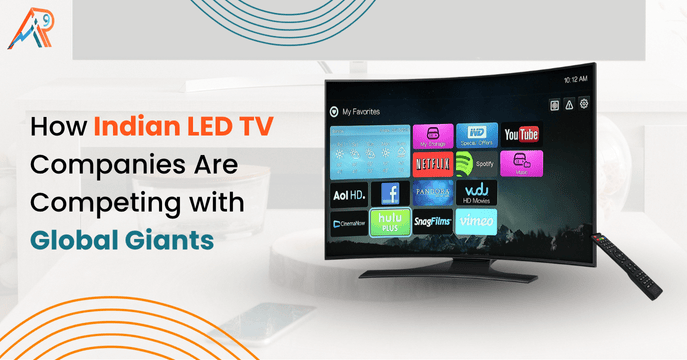
How Indian LED TV Companies Are Competing with Global Giants

How Indian LED TV Companies Are Competing with Global Giants

India’s electronics industry has experienced unprecedented growth. What was once a market led mostly by international names is now home to strong local display manufacturers who are building their own identity. In this journey, LED TV manufacturers in India have taken the lead. By creating innovative, reliable, and affordable products, they not only match domestic demand but also compete with established global brands. 

For Indian businesses and consumers, this is good news. They now have access to products designed for local needs, built by companies that understand the challenges of the Indian market. Let’s examine how Indian manufacturers are driving this transformation. 

The Rise of Indian LED TV Manufacturers 

The Indian electronics industry is no longer solely dependent on imports. Today, LED TV manufacturers in India are producing products that meet international standards while being suitable for local use. 

Their strength lies in combining quality with customization. Whether it is for homes, offices, or public spaces, Indian companies can provide custom LED display solutions tailored to specific requirements. This ability to adapt gives them an edge over international players who often offer only standard designs. 

By focusing on flexibility, durability, and affordability, Indian display technology companies are demonstrating their ability to compete on par with global competitors. 

Innovations in LED Display Technology 

To compete globally, Indian companies are investing in display technology innovations. 

Modern LED display screen manufacturers in India are developing indoor LED displays that offer high brightness, sharp visuals, and lower energy consumption. These are used in offices, retail spaces, and events. Similarly, outdoor LED screens are designed to withstand India’s weather while delivering vibrant images that capture attention from a distance. 

Demand for indoor LED video walls and large-format LED displays is also increasing in corporate environments, educational institutions, and commercial hubs. Some companies are incorporating interactive display solutions that enhance learning, advertising, and communication by making them more engaging and effective. This demonstrates that Indian companies are not only keeping up with global standards—they are setting their own. 

Strengthening Presence in Advertising Displays 

One of the fastest-growing areas for Indian manufacturers is the digital signage industry. From shopping malls to airports, businesses want modern display systems to grab attention and communicate effectively. 

Focus on Local Needs and Customization 

Indian manufacturers understand that advertising is not the same everywhere. Businesses often need LED advertising display products in specific sizes, brightness levels, or languages. This is where Indian companies excel. 

Solutions such as advertising LED boards, branding LED screens, and public advertising screens are designed with local markets in mind. They can be customised for regional audiences, making communication more impactful. 

This ability to adapt has also made Indian companies leaders in the digital standee manufacturer segment. A digital display standee or digital standee in a retail store, for instance, can run promotions in different languages or showcase multiple offers in real time. This is something international products rarely provide at a practical cost for Indian businesses. 

Digital Standees: A Smart Addition to India’s LED Portfolio 

The use of digital display standee units is growing across India. Businesses prefer them because they combine a sleek look with powerful functionality. Unlike traditional signage, a digital standee can display videos, animations, or rotating visuals that immediately catch the eye. 

With more companies turning towards digital signage displays and digital advertising screens, standees have become a key part of branding strategies. From retail digital displays in stores to commercial LED displays in offices, these solutions enable businesses to connect more effectively with their customers. 

Firms like Archana Enterprises are ensuring that Indian businesses can access high-quality standees without depending on imports. This not only strengthens the domestic market but also supports the growth of electronics manufacturing in India. 

Contributing to “Make in India” 

The government’s Make in India electronics campaign has encouraged many businesses to focus on smart manufacturing in India. By building world-class products within the country, Indian firms are reducing dependence on imports and creating opportunities for local talent. 

This initiative is also contributing to the growth of export-quality LED displays, enabling Indian manufacturers to showcase their strengths on a global stage. As a result, the country is building its reputation as a hub for Indian display technology companies and commercial LED displays. 

For businesses in India, supporting local manufacturers means more than just buying a product. It contributes to the nation’s economic growth and ensures continued innovation tailored to Indian needs. 

Cost-Effective in the Long Run 

When it comes to choosing between global and Indian products, cost is an important factor. However, cost-effectiveness doesn’t just mean paying less—it means getting more value over time. 

Indian LED screen display solutions are designed to withstand local conditions, including dust, heat, and fluctuating power supplies. This durability often means fewer repairs and replacements. Whether it’s outdoor LED screens, advertising LED display units, or indoor LED video walls, local products are built for longevity. 

Additionally, the option of custom LED display solutions in India allows businesses to invest only in the features they need. For example, a retail brand might choose digital displays for promotions, while a corporate office may prefer large-format LED displays for presentations. This flexibility reduces waste and ensures businesses get solutions that work for them. 

Archana Enterprises: Powering India’s Display Technology Growth 

The success of LED TV manufacturers in India demonstrates how local companies can compete effectively with global competitors. By offering innovative display technology, adapting to local needs, and contributing to the Make in India electronics initiative, Indian firms are establishing a strong presence both domestically and internationally. 

For businesses considering digital signage in India, digital display standee solutions, or advertising LED display systems, Indian manufacturers are a smart and reliable choice. With companies like Archana Enterprises leading the way, customers can expect high-quality products designed for India, delivered with the promise of long-term value. 

The future of Indian display technology companies is bright, and for businesses ready to invest in modern communication tools, it’s a future worth embracing. 

Why Indoor Digital Displays Are Replacing Traditional Boards

Why Indoor Digital Displays Replace Traditional Boards

As the business environment changes, so does visual communication. From shopping malls and company offices to hospitals and schools, signage is an important factor that directs, educates and persuades audiences but the question of the hour is—do you hold on to conventional signs or move to Indoor Digital Displays?

Digital signage is rapidly becoming the go-to solution for brands seeking dynamic communication. However, traditional signage still holds a place in certain environments. This blog compares both options in depth, helping you determine which is better suited for your space. Whether you’re managing a small retail shop or a large office complex, understanding the strengths of each will help you make a more informed decision.

The Rise of Indoor Digital Displays

Indoor Digital Displays offer a modern, dynamic way to communicate in real time. Unlike traditional printed signage that remains static, a digital display can be updated instantly—no reprints, no waiting, no physical installation required. With this capability, businesses can remain nimble and quick to adapt to evolving messages, promotions or alerts.

You can showcase anything from advertisements and promotional videos to news updates and real-time data.  This multimedia aspect heightens viewer engagement making content more noticeable and recallable. In high-traffic areas like malls, airports or conference centres, digital displays easily outperform static boards in attracting attention.

Cost Efficiency and Long-Term Value

While indoor digital screens have a higher initial price tag, they pay for themselves in short order. Think about how much businesses spend on printing, transporting and installing new banners or posters. With a digital display, those recurring expenses vanish. Updates happen with a few clicks.

Furthermore, digital signage allows for centralized content management. If you’re operating multiple locations, you can push updates to every screen simultaneously—saving both time and manpower. It also reduces human error, ensuring consistent branding and messaging across all displays.

Another underrated benefit is the reduced environmental impact. By eliminating the need for paper and plastic-based signs, indoor digital displays or indoor led displays support sustainable business practices—an increasingly important value in today’s eco-conscious world.

Where Old-Fashioned Signage Still Excels

Though digital signage has numerous advantages, there is no such thing as a completely outdated traditional signage. In situations where power outlets are scarce or digital infrastructure is not accessible, printed signage remains a tried-and-tested alternative. Small coffee shops, street kiosks and pop-up events can appreciate the cost-effectiveness and ease of printed signs.

Moreover, some brand visuals might require a vintage or handmade feel. Under those circumstances, classic signs will be more compatible with the visual mood of the environment. They’re also resistant to technical breakdowns—no fear of power loss or screen malfunction.

But these signs do not have the dynamic beauty of indoor digital signage. They are unable to turn over content, display video or react to data inputs. And when it comes to leaving a lasting impression or conveying complicated information, static signs tend to fail.

Digital Display and Customer Engagement

One of the best arguments for the use of a digital display is that it is possible to engage the audience more effectively. Moving images, animation and up-to-date information are more effective at grabbing attention than static graphics. It has been found that individuals are more likely to retain information that is shown on a digital display than on paper signage.

The indoor digital screens may also be interactive. Users can browse menus, search products or gain information through touchscreen panels. Such two-way communication is not possible with conventional signage thereby bestowing a distinct advantage on digital signage in applications such as museums, retail, and corporate lobbies.

Analytics and Control

Another place digital signage excels is in analytics. New systems provide data feedback like viewer engagement, screen availability and content effectiveness. This feedback enables you to fine-tune your messaging and strategy for better results. Traditional signage provides zero feedback—it’s a one-way means of communication with no inherent means of measuring performance.

Plus, managing content across multiple locations is seamless with indoor digital displays. You can automate scheduling, rotate seasonal promotions and even localize content for different audiences—all from one centralized dashboard.

Conclusion

When it comes to flexibility, interactivity, cost savings, and visual appeal, digital signage is clearly the winner.

Old-school signage still operates in niche situations, particularly where simplicity or aesthetics are paramount. However, for companies that want to remain contemporary, dynamic and effective, digital signage is the intelligent option. It’s more than just a communications device—it’s a strategy.

Ready to upgrade your visual communication? Whether it’s for branding, wayfinding, or customer engagement, AIIR9 got the technology to take your message to the next level.

Indoor Digital Displays vs Traditional Signage: Which One is Right for You?

Indoor Digital Displays vs. Traditional Signage Which One is Right for You

In the modern business world, efficient communication is essential in capturing and retaining customers. Whether operating a retail shop, corporate center or a restaurant the manner in which you display information can greatly affect customer experience. The long-standing debate between indoor digital signage and conventional signage has left many entrepreneurs confused about what works best for them.

While traditional signage has been a staple for decades, digital signage is quickly transforming the way businesses interact with their audiences but which one is the better option for you?

Let’s dive into the major differences, benefits, and factors of both to guide you toward making a smart choice.

The Power of Indoor Digital Displays

Indoor digital screens have transformed business communication. The dynamic screens present attention-grabbing visuals, interactive information, and real-time data, which make them a great tool for customer engagement. The following are some persuasive reasons why digital signage in India is becoming popular:

1. Improved Visual Attractiveness

In contrast to conventional signs a digital sign can display high-definition images, videos & animations that immediately grab attention. Whether you are looking to drive special promotions or build brand awareness, digital content is much more compelling than static banners or posters.

2. Real-Time Content Updates

One of the largest benefits of indoor digital displays is that they can change content instantly. Rather than having to print and swap out signs repeatedly, companies can revise promotions, event calendars or product data with a click of a mouse. This is particularly useful for sectors that demand regular changes, like retail and hospitality.

3. Cost-Effective in the Long Run

Even though the upfront cost of digital signage is greater, it saves recurring expenses on printing and distributing the old-fashioned signs. In the long run companies save while having updated, dynamic content.

4. Interactivity and Engagement

Contemporary indoor digital screens provide interactive capabilities, enabling customers to view products, learn about services, or even order. Such engagement raises the level of user experience and fosters customer loyalty.

The Power of Classic Signage

In spite of the growth of digital signage, there is still relevance in traditional signage particularly in some environments. Let’s consider why certain businesses prefer static signs.

1. Low Initial Investment

For small businesses on a tight budget traditional signs offer a budget-friendly means to show branding, promotions or key information. There are no extra fees for maintenance, power or computer software updates.

2. Simplicity and Reliability

In contrast to electronic displays, traditional signs do not need technical skills to set up or maintain. Printed and installed, they do not need power or software control, and thus are an easy solution for most businesses.

3. Aesthetic and Brand Consistency

Others like the classic beauty of printed or hand-painted signage, Luxury boutiques or heritage brands might opt for traditional signs to fit their look and brand image.

4. Durability in Specific Environments

In areas where technology might not be feasible—like outdoor billboards, roadside banners or regions with high weather exposure—conventional signage continues to have the upper hand.

Which Is Right for You?

The decision between indoor digital screens and conventional signage relies on a variety of factors such as budget, type of business and marketing objectives. If aesthetics are a primary concern, digital signage provides high-definition animated content that captures attention immediately. Businesses that look for updates to content in real time and interaction will find electronic screens to be a more compelling and interactive alternative. While there may be higher initial costs involved, electronic offerings eliminate recurring costs of printing and allow businesses to modify messages instantly.

On the other hand, conventional signage remains a certain and cost-effective method for firms that prefer having a one-off payment. It requires no maintenance or power, hence ideal for long-term branding, static advertisements, and firms that do not require frequent content updating. It is also widely used in outdoor environments or firms that prefer the retro look.

To see the Product Kindly click the link:

https://youtu.be/TYiEX4bpgGY?si=sE9AsGumdLYg9VZD

https://youtu.be/cGNUy3V3xPI?si=lb4wU8f8CvSEM2N-

Final Verdict

If you want a modern, flexible and interactive way of communicating with customers, digital signage is the solution. The live update function and addition of interactive components make it a valuable investment for businesses that want to stay competitive.

But if you require a low-cost and easy method of displaying static information, traditional signage may be the better option. It really does come down to your own needs and budget.

With our area of specialization in innovative indoor digital displays that promote organizations in moving their adverts forward, here at AIIR9, no matter if you prefer to go forward from customary signages or substituting preexisting digital displays, we assist in directing you on the proper selection.

Top Benefits of Using Corporate Display Screens for Branding

Benefits of Using Corporate Display Screens For Branding

In today’s competitive business landscape grabbing the attention of potential customers and communicating your brand message effectively is more important than ever. As businesses seek innovative solutions to enhance their visibility and engagement corporate display screens including commercial LED signage and indoor digital displays have emerged as game-changing tools for branding. These digital solutions not only offer eye-catching visuals but also provide a dynamic platform for businesses to connect with their audience. This blog explores the top benefits of using corporate display screen for branding and why they are indispensable in modern marketing strategies.

Introduction: The Shift to Digital Branding

Posters and billboards are no longer the mainstays of advertising. The digital revolution has paved the way for advanced marketing tools that offer better visibility interactivity and adaptability. Among these tools corporate display screen have carved a niche for themselves. Whether it’s a sleek indoor digital display in a corporate lobby or a vibrant commercial LED signage on a bustling street digital displays allow businesses to create a memorable impact.

Corporate display screens are versatile scalable and ideal for various branding applications. From retail stores and restaurants to corporate offices and trade shows these screens provide businesses with an unparalleled opportunity to enhance their brand image. Let’s explore the key benefits they offer.

1. Enhanced Visibility and Brand Recall

One of the most significant advantages of using corporate display screens is their ability to grab attention instantly. Traditional signage often struggles to stand out in crowded environments but a well-designed commercial LED signage can captivate audiences with its bright vivid visuals and dynamic content.

How it Helps Branding:

  • Eye-Catching Displays: The brightness and sharpness of these screens ensure your message is visible even from a distance helping your brand stand out.
  • Dynamic Content: Unlike static signage corporate display screen allow you to rotate between multiple messages videos and images ensuring your audience stays engaged.
  • Consistency in Branding: The ability to showcase your logo tagline and key messages in a consistent format across all locations reinforces brand recall.

For instance, a retail chain can use indoor digital displays to showcase promotions product launches or brand stories creating an immersive experience for customers.

2. Cost-effective and Eco-Friendly

While the initial investment in corporate display screen might seem substantial they offer long-term cost benefits compared to traditional advertising mediums.

Why It’s Cost-Effective:

  • Energy Efficiency: Modern commercial LED signage is designed to consume less energy making it an environmentally friendly option.
  • Durability: Digital screens are built to last with minimal maintenance costs offering better ROI over time.

Additionally using digital displays aligns with sustainability goals reducing paper waste and the carbon footprint associated with traditional advertising methods.

3. Real-Time Content Updates

In today’s fast-paced world, the ability to update content in real time is a game-changer. Corporate display screens allow businesses to modify their messaging instantly ensuring that the displayed information is always relevant and up-to-date.

Applications of Real-Time Updates:

  • Event Announcements: Use indoor digital displays to inform customers or employees about upcoming events meetings or workshops.
  • Seasonal Promotions: Retailers can swiftly update commercial LED signage to reflect seasonal sales or limited-time offers.
  • Crisis Communication: Corporate offices can use digital screens to share critical updates or safety protocols during emergencies.

This level of flexibility ensures that your branding efforts remain agile and responsive to changing circumstances.

4. Increased Customer Engagement

Digital displays are not just about broadcasting messages; they are also powerful tools for engaging your audience. Incorporating elements such as touchscreens or QR codes can turn a viewer into a participant.

Examples of Engagement:

  • Interactive Features: Install touch-enabled indoor digital displays to allow customers to browse products explore brand stories or locate services.
  • Social Media Integration: Display real-time social media feeds or user-generated content on your commercial LED digital signage to foster a sense of community.
  • Gamification: Use digital screens to host contests quizzes or interactive games that drive audience participation.

When customers engage with your brand actively it builds a stronger emotional connection and increases the likelihood of conversions.

5. Customization and Targeted Marketing

Every business has a unique audience and corporate display screens offer unparalleled customization options to cater to specific demographics. With the ability to schedule content based on time location or audience type, businesses can create highly targeted marketing campaigns.

Tailored Content Examples:

  • Time-Based Content: A coffee shop can display breakfast deals in the morning and evening snack promotions later in the day.
  • Localized Messaging: Global brands can use corporate display screen to tailor messages to local languages cultures and preferences.
  • Audience-Specific Campaigns: Analyze customer behaviour to display personalized offers or messages using advanced analytics.

Conclusion: A Worthwhile Investment for Modern Branding

The rise of corporate display screens, commercial LED signage and indoor digital displays marks a new era in branding. These cutting-edge solutions are not just advertising tools; they are dynamic platforms that enable businesses to connect with their audience in meaningful ways. From enhancing visibility and engagement to offering cost-effective and sustainable branding solutions digital displays deliver a wide array of benefits.

In a world where first impressions matter investing in corporate display screens can give your brand the competitive edge it needs to thrive. As businesses continue to embrace digital transformation those who leverage the power of digital led advertising displays will undoubtedly lead the way in creating impactful memorable branding experiences.

So if you’re ready to elevate your brand and stand out in a crowded marketplace explore the possibilities of corporate display screens today. With their versatility and effectiveness, they are poised to become an indispensable part of modern branding strategies.

Aiir9.com invites you to revolutionize your branding efforts with state-of-the-art display solutions.